Skip to content

Does HEIC Keep Photo Metadata?

Does HEIC Keep Photo Metadata?

If you convert a photo to HEIC and later find the date is wrong, the location is missing, or your captions disappeared, the problem usually is not HEIC itself. The real question behind does HEIC keep photo metadata is whether your conversion method preserves it. In most cases, HEIC can store metadata just fine. What gets lost depends on the app, the workflow, and whether the conversion stays inside your photo library or turns into a loose-file process.

For Apple users, that difference matters more than the file extension. A format can support metadata on paper, but if your tool strips fields during export, import, or recompression, your library gets messier fast.

Does HEIC keep photo metadata in normal use?

Yes. HEIC supports common photo metadata, including capture date, camera details, orientation, dimensions, and often GPS location data. It can also carry EXIF and other structured metadata used by modern photo systems.

That is why iPhone photos taken in HEIC still show the basics you expect in Photos. You can inspect where the image was taken, when it was captured, what device shot it, and other technical details. HEIC is not a stripped-down format by default. It is a modern container designed to hold image data efficiently while still supporting the metadata that helps organize a library.

Where people get tripped up is assuming format support equals workflow support. It does not. A HEIC file can keep metadata, but a converter can still discard some or all of it during processing.

What metadata can HEIC preserve?

When people ask does HEIC keep photo metadata, they usually mean more than shutter speed and ISO. They want to know whether the image will still fit cleanly into their library after conversion.

HEIC can preserve technical metadata such as camera make and model, lens information, exposure settings, orientation, and timestamps. It can also preserve location data if that data exists in the source file and the software chooses to keep it.

The next layer is where things become more nuanced. Library-specific information such as favorites, albums, captions, keywords, and non-destructive edits may not live only inside the image file itself. In Apple Photos, some of that context is managed by the Photos library database rather than embedded directly into the file in a universal way.

So the right answer is this: HEIC can preserve file metadata very well, but preserving your full library context depends on whether the conversion happens in a Photos-aware workflow.

Why metadata sometimes disappears after conversion

Most metadata loss happens during export-based conversion. You export a RAW, JPEG, or TIFF to a folder, run it through a converter, then import the new HEIC back into Photos. On paper, that sounds simple. In practice, it often breaks continuity.

The newly imported file may keep EXIF fields, but it can lose the connection to albums, favorites, captions, edit history, and organizational context that existed in your original library item. Even if some metadata survives, Photos may treat the HEIC as a different asset entirely.

There is also variation between apps. Some converters preserve EXIF but drop IPTC fields. Some keep timestamps but remove GPS. Some flatten the image and write only minimal metadata back out. Others preserve more, but not consistently across camera brands or source formats.

This is why users often report mixed results. They are not imagining things. The answer really does depend on the tool.

HEIC vs JPEG for metadata

If you are comparing formats alone, HEIC is not weaker than JPEG in any broad, practical sense for metadata retention. Both can store standard photo metadata. JPEG has been around longer, so older apps and utilities may handle its metadata more predictably. But inside Apple’s ecosystem, HEIC is well supported.

That matters for iPhone, iPad, and Mac users who already live in Photos. HEIC gives you smaller file sizes, support for modern image features, and strong native compatibility. The metadata question is less about HEIC versus JPEG and more about whether your app respects metadata during conversion.

For a lot of Apple users, the better question is not which format can store metadata, but which workflow avoids breaking the library they already organized.

Apple Photos adds another layer

Apple Photos is not just a folder of image files. It is a library system. That distinction matters.

When you view a photo in Photos, you are often seeing a mix of embedded file metadata and library-managed data. The embedded part may include camera info, capture date, and location. The library-managed part may include albums, favorites, captions, and non-destructive edits. If you pull a file out of that system, convert it elsewhere, and bring it back, you can preserve the file but still lose the context.

So if your real concern is keeping your photos organized, the question does HEIC keep photo metadata is only half the story. The other half is whether the conversion stays native to Photos.

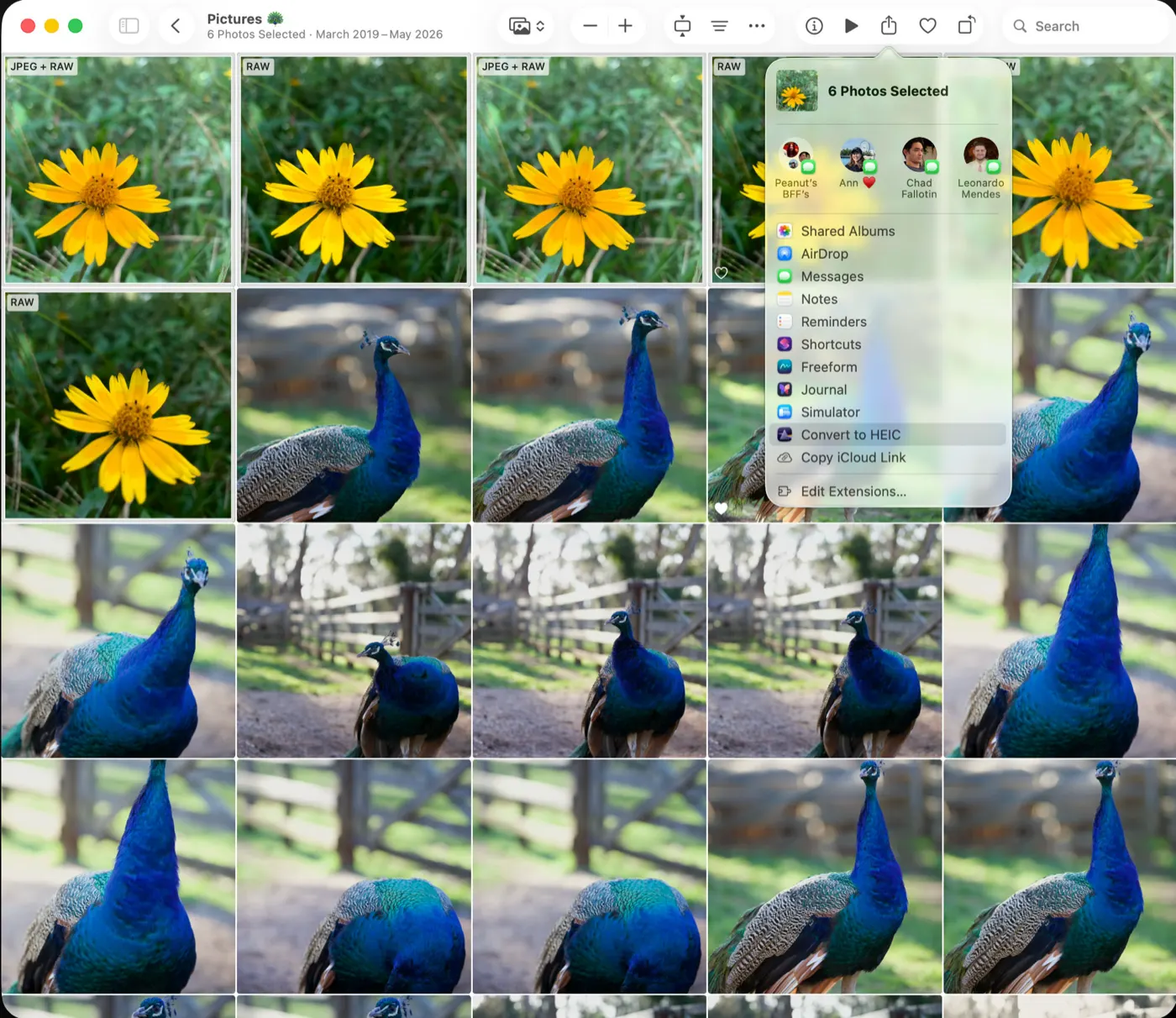
That is exactly why on-device, Photos-integrated conversion is safer than the old export-convert-reimport loop. When conversion happens as part of your existing library workflow, there is less opportunity for metadata mismatches, duplicate assets, or lost context.

RAW to HEIC is where the risk goes up

Converting RAW files introduces extra complexity because RAW images often carry large amounts of camera-specific metadata. Different manufacturers store information differently, and some apps handle that better than others.

If you shoot Canon CR3, Sony ARW, Nikon NEF, Fujifilm RAF, Olympus ORF, Panasonic RW2, or iPhone ProRAW, your converter needs to do more than make a smaller file. It needs to preserve useful metadata while also creating an HEIC that works properly inside Apple Photos.

This is also where users become more sensitive to loss. Anyone shooting RAW usually cares about capture dates, camera body details, lens data, orientation, and location. They often care just as much about keeping albums, favorites, captions, and edits intact after they have already organized a large library.

A file-based converter may produce a valid HEIC, but that does not mean it preserves the full experience of the original asset in Photos.

How to tell if your conversion workflow preserves metadata

The fastest test is practical. Convert a few photos, then inspect the result in Photos. Check the capture date and time, location, camera model, and image dimensions. Then check whether the photo still sits where you expect in your library structure.

If your original image had a caption, was marked as a favorite, or lived inside albums, look for those too. If you had edits applied, verify whether they survived or whether the app created an entirely new item with none of the prior context.

It also helps to test across more than one source type. A converter that behaves well with iPhone images may not behave the same way with DSLR RAW files. Brand-specific metadata handling can vary.

If your workflow forces export and reimport, assume there is risk until you verify each field that matters to you.

The safest answer for Apple users

For most Apple users, HEIC is not the risky part. The risky part is leaving the Photos workflow.

If your goal is storage savings without losing the metadata and organization you already built, use a conversion method designed around Photos itself, not around standalone file exports. That approach gives you the best chance of keeping both embedded metadata and library context while avoiding duplicate imports and cleanup work later.

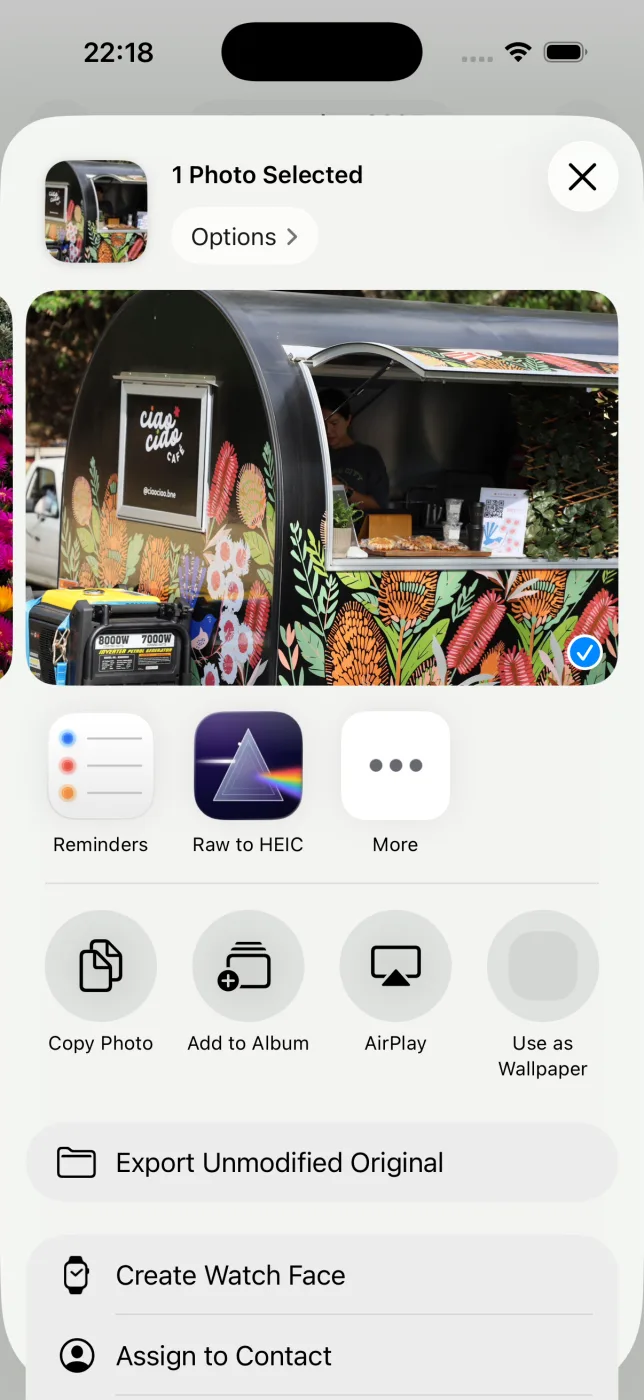
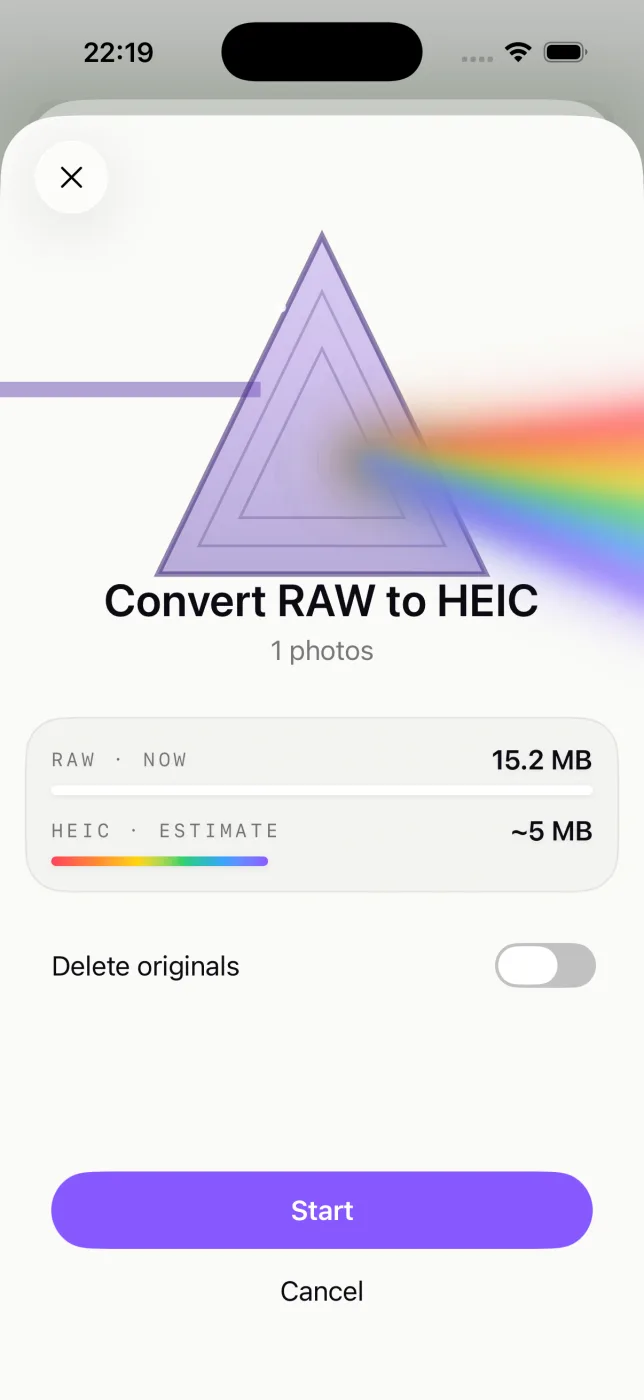
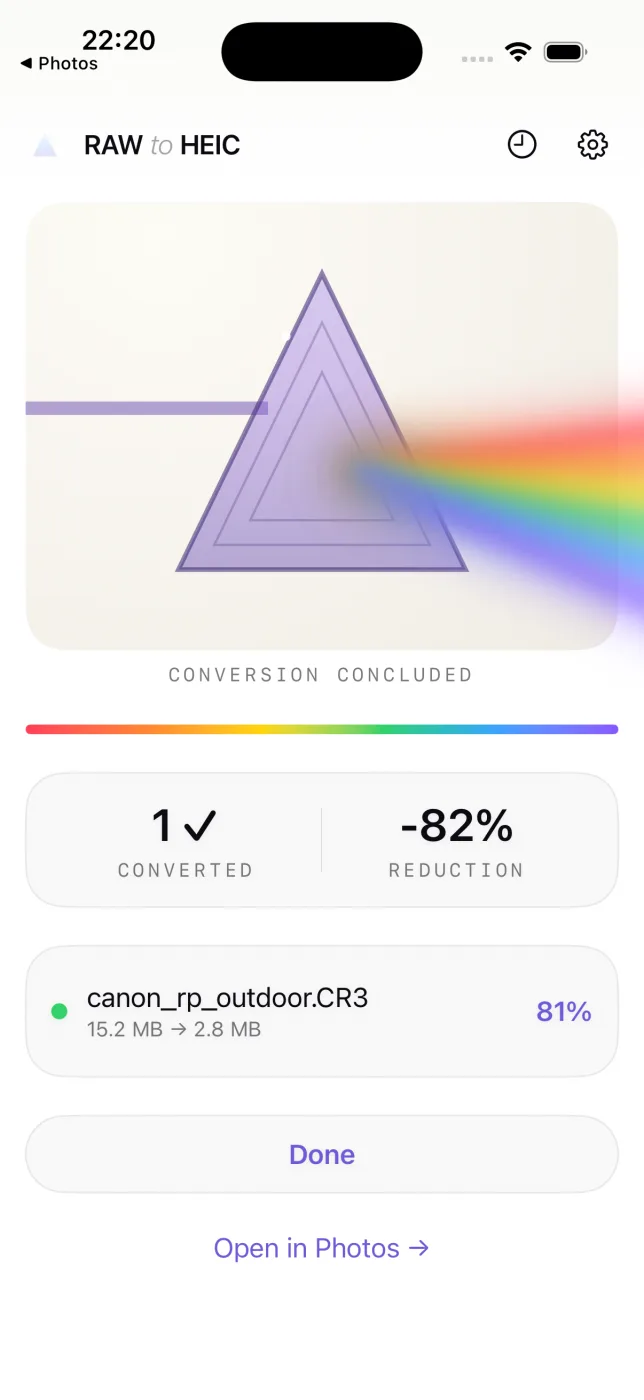
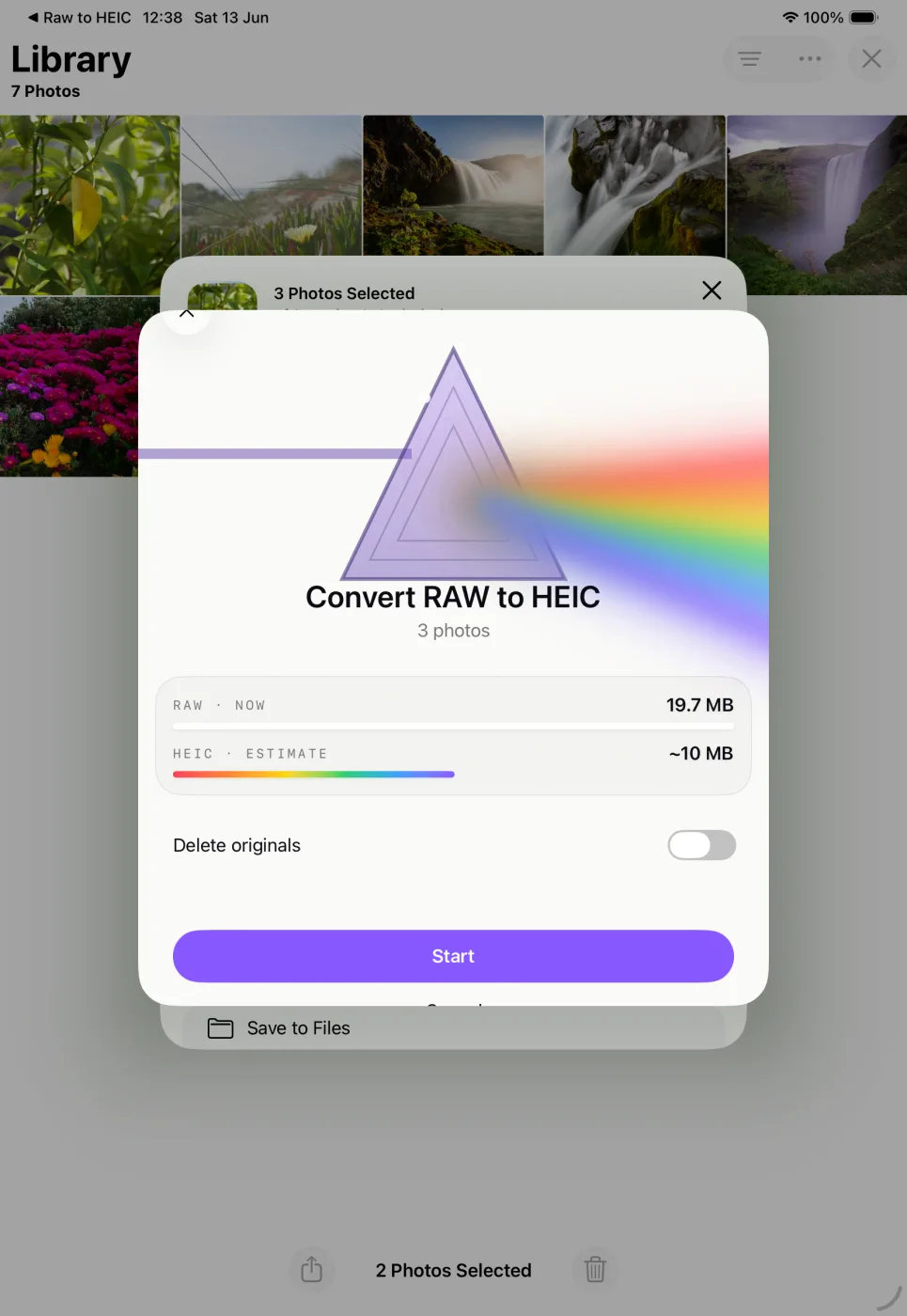
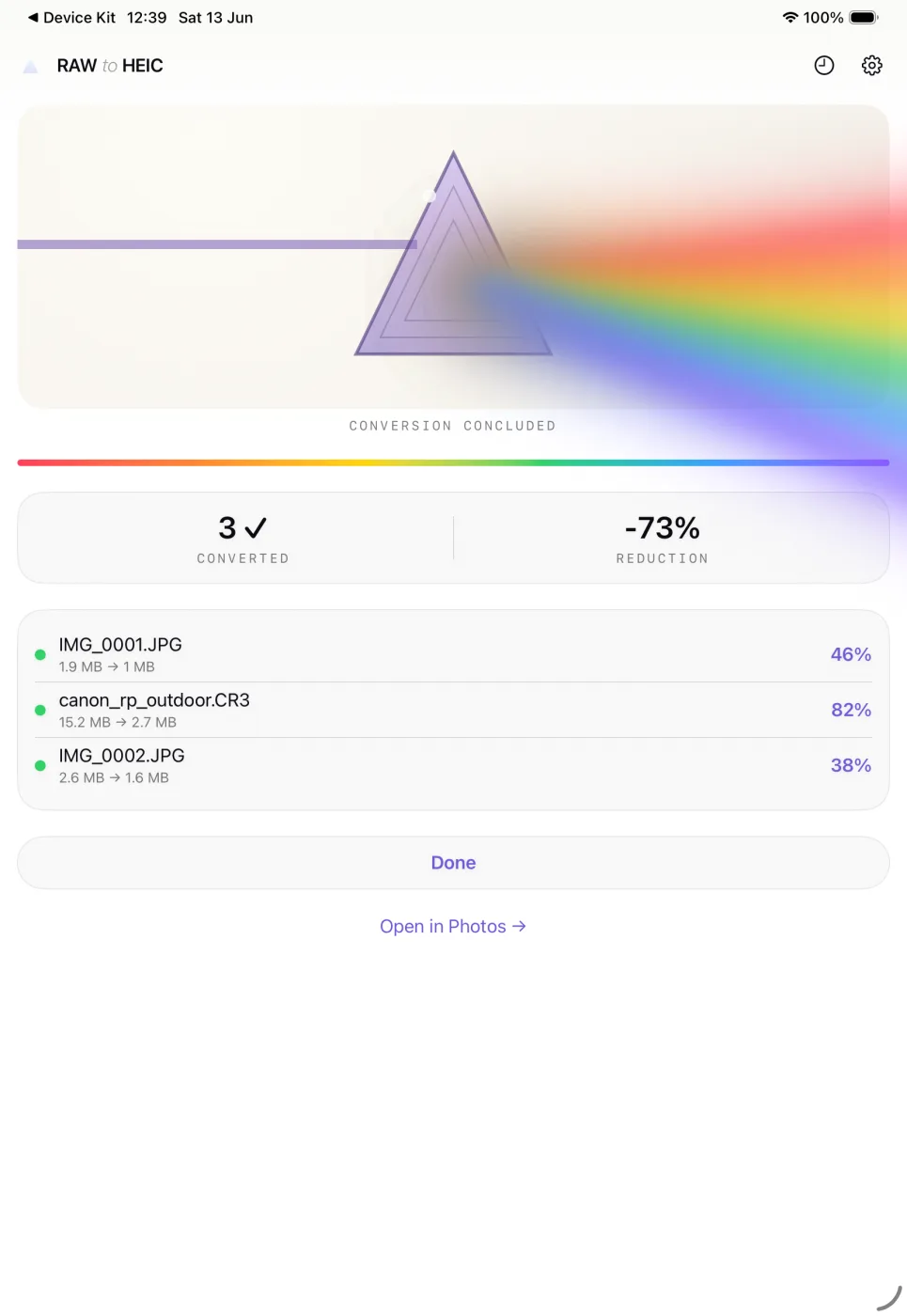
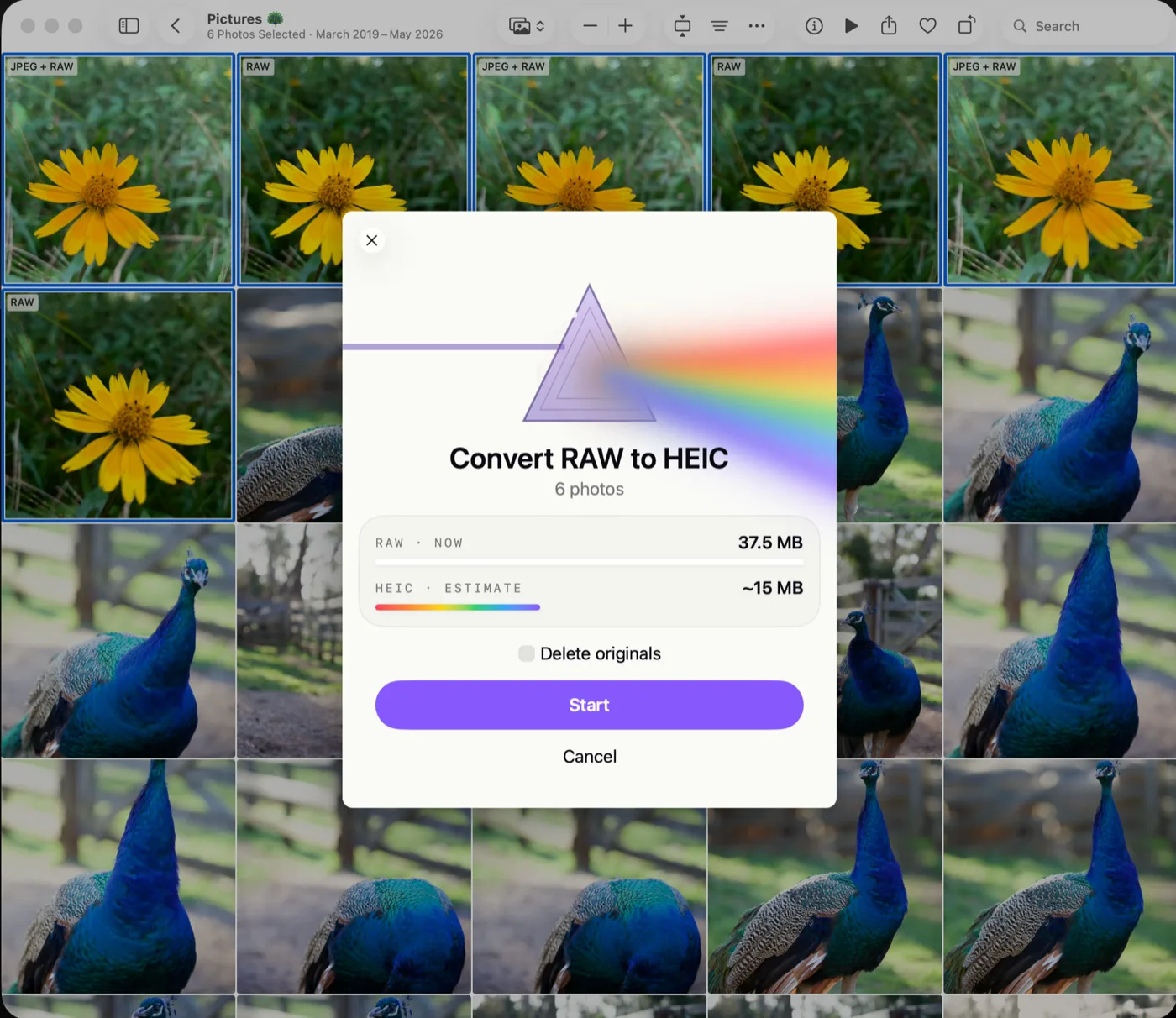
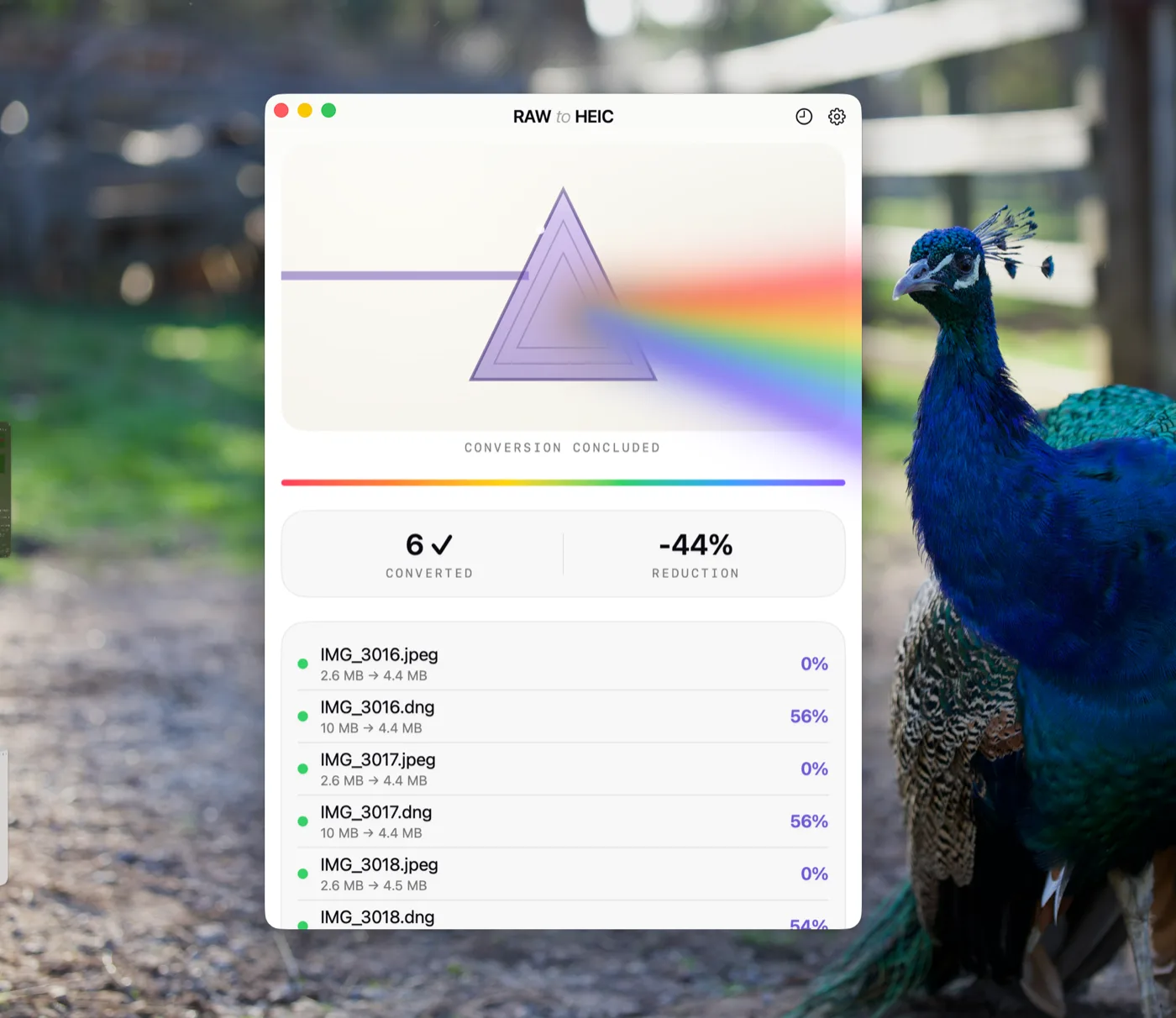
This is where a specialized tool can make a real difference. RawToHEIC focuses on converting RAW photos directly inside the native Photos app on iPhone, iPad, and Mac, which is a much safer model than juggling exported files in and out of folders. The value is not just smaller photos. It is keeping your library usable.

So, does HEIC keep photo metadata?

Yes, HEIC can absolutely keep photo metadata. In Apple’s ecosystem, it usually does. But the complete answer is that HEIC preserves metadata only as well as the app and workflow creating it.

If you care only about basic EXIF fields, many converters will do an acceptable job. If you care about the full Photos experience – dates, locations, camera data, captions, favorites, albums, and edits – the workflow matters just as much as the format.

That is the part worth getting right the first time. Saving space is great. Saving space without breaking your library is better.

Shrink your RAW library, right inside Photos.

RawToHEIC converts camera RAW and iPhone ProRAW to HEIC up to 10× smaller — keeping every edit, album, favorite, and location. On-device, no account, one purchase for iPhone, iPad, and Mac.

Not sure yet? Convert a few sample photos free — no install, nothing uploaded.

Try it free — no install →

Free to start · Unlimited $19.99 once · iPhone · iPad · Mac